
Man, yield farming on Solana is a wild ride. Seriously, the speed and low fees initially made me think it was the holy grail for DeFi, but digging deeper felt like peeling an onion—with each layer revealing some quirks I hadn’t anticipated. My first impression was pure excitement: “Wow, this is gonna change everything.” Yet, something felt off about how transaction histories get managed when you’re juggling multiple SPL tokens across farms. It’s not as transparent as I hoped.
Let me back up a bit. Yield farming, at its core, is about putting your crypto to work—staking tokens or providing liquidity to earn rewards. But on Solana, the ecosystem is built around SPL tokens, which are basically Solana’s version of ERC-20s on Ethereum. They’re fast, lightweight, and cheap to move. Cool, right? But when you start farming multiple pools, tracking your transaction history quickly becomes a bit of a headache. Your wallet’s interface might show balances fine, but detailed histories? That’s another story.
Okay, so check this out—your transaction history on Solana isn’t like scrolling through a bank statement. It’s fragmented across different programs and tokens. I remember trying to trace my liquidity provision dates and reward claims manually, and it was a mess. Initially, I thought, “Hey, maybe the blockchain explorers would help.” Nope, they’re useful but not exactly user-friendly or tailored for yield farmers juggling a dozen SPL tokens.
Here’s the thing. When you farm, you’re interacting with smart contracts that mint and burn tokens representing your stake. Tracking those internal movements requires digging into program logs and transaction instructions. For a casual user, this is a no-go. That’s why wallets that can aggregate and display this info clearly become very very important.
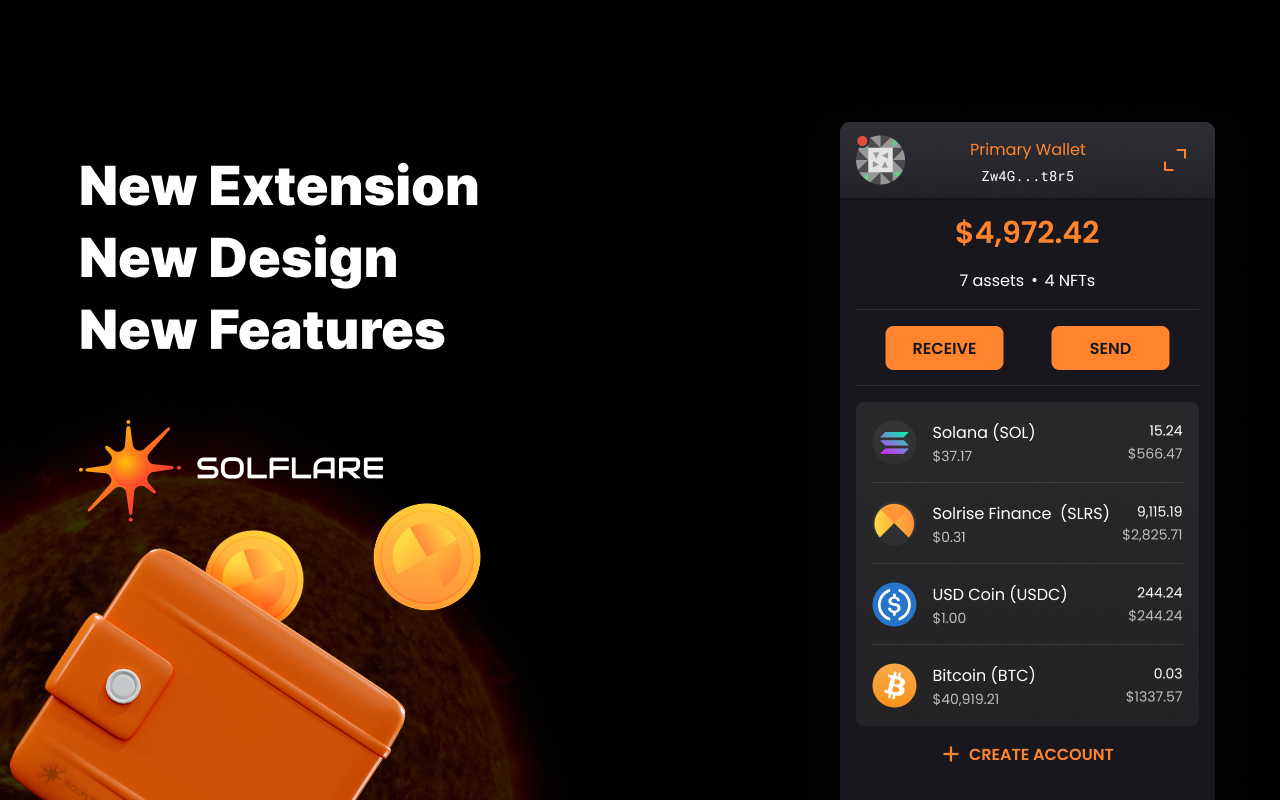
So yeah, after stumbling through multiple explorers and wallets, I landed on something that really helped: the solflare extension. It’s not perfect, but it’s hands down the most intuitive interface I’ve found for anyone deep into Solana’s DeFi scene. Plus, it supports SPL tokens natively and gives you a cleaner view of your transaction history linked to yield farming activities.
Now, here’s where it gets interesting. On one hand, yield farming rewards look great on paper—those shiny APYs are enticing—but on the other hand, if you don’t track your transaction history properly, you might miss out on understanding your real returns after fees and slippage. Actually, wait—let me rephrase that. It’s not just about missing out; sometimes, you might unknowingly double-count rewards or fail to notice when your stake got auto-compounded incorrectly due to some contract glitch.
Hmm… that part bugs me. Transparency shouldn’t be this complicated. But I get it—Solana’s ecosystem is still maturing. The rapid innovation means tools lag behind the protocols’ complexity. That’s why I’m biased toward wallets like Solflare that keep iterating on these features. They help bridge the gap, even if just a little.
Why SPL Tokens Make Yield Farming Both Exciting and Tricky
Let’s talk SPL tokens a bit more. These tokens are the backbone of Solana’s DeFi, representing everything from stablecoins to governance tokens. Because they’re native to Solana, transactions are lightning fast—think sub-second confirmation times. But here’s the kicker: each SPL token is managed by its own mint address, so when you farm multiple pools, you’re essentially juggling multiple token contracts.
That’s why your transaction history isn’t a simple linear log. Instead, it’s a mosaic of token swaps, staking instructions, and reward claims spread across different on-chain programs. I’ve personally had moments where I thought I lost tokens because I couldn’t trace a transaction properly. (Oh, and by the way, some wallets don’t even show your earned rewards until you claim them, which is confusing.)
Initially, I thought this was just a matter of better UX design, but then I realized it’s a deeper systemic issue. The architecture of Solana’s runtime means programs operate independently, so aggregating all your farming activity requires a wallet that understands program-specific data. The solflare extension does a decent job here, parsing and displaying your farming history in one place, though it’s still evolving.
Really? Yeah, it’s a bit like having a personal assistant who’s still learning your slang—helpful, but sometimes missing the mark.
Also, not all SPL tokens are created equal. Some projects issue tokens with custom logic or additional fees on transfer, which complicates yield calculations. You might think your farmed rewards are straightforward, but tokenomics can make your effective yield lower than advertised. That’s why I always recommend double-checking your token contracts, especially before locking up funds in unfamiliar farms.
Whoa! Did I just get sidetracked? Maybe. But hey, understanding these nuances is crucial if you want to avoid surprises.
Transaction History: The Overlooked Hero of Yield Farming
So why does transaction history matter so much? Because yield farming isn’t just about how much you stake or earn; it’s about timing, fees, and strategy. If you can’t see when you deposited, withdrew, or claimed rewards, how do you optimize?
At first, I thought “I’ll just trust the dashboard metrics.” But dashboards often show your current balance or APY snapshots without breaking down your historical performance. I realized that without a clear transaction log, you’re flying blind. For example, if you made multiple deposits at different times, your average yield varies. Mixing up these numbers can mislead your decisions.
Here’s where Solana’s blazing transaction speeds are a double-edged sword. You can make dozens of moves in minutes, but piecing together a coherent history afterward requires tools that can handle that volume. Manually parsing through explorers feels like reading hieroglyphics sometimes.
Thankfully, wallets like the solflare extension help by consolidating your transaction history with timestamps, token movements, and even staking events. It’s like having a ledger that actually makes sense for DeFi users, which is very very important when you’re serious about yield farming.
Still, there’s room for improvement. Some farming platforms don’t emit clear event logs, so wallets rely on heuristics. That means occasionally your history might look incomplete or confusing. So, patience is key.
Personal Experience: When Things Went Sideways
I’ll be honest—I once left a farm because I couldn’t figure out if my rewards were compounding or just sitting stagnant. I stared at my wallet’s transaction history for hours, trying to match the dots between SPL token movements and farming contract interactions. Something felt off about the numbers. My instinct said I was missing something.
Turns out, the farm’s auto-compound feature was delayed due to network congestion, and the wallet wasn’t updating the UI fast enough. That’s when I switched to using the solflare extension, which at least gave me clearer transaction timestamps and token balances. It saved me from panic selling.
Seriously, if you’re in the Solana DeFi world, you need tools that not only hold your tokens but also your trust. This part bugs me about some newer wallets—they look slick but don’t offer this transparency. The solflare extension might not be perfect, but it’s a reliable companion.
Something else I noticed is that keeping tabs on multiple SPL tokens means you have to be extra careful with approvals and wallet permissions. One wrong click, and you could be exposing yourself to risk. So, using a wallet that clearly shows which programs have access to your tokens is a must.
Final Thoughts: The Journey Ahead
Yield farming on Solana with SPL tokens is like navigating a fast-moving river with hidden rocks. The potential returns are enticing, but without clear transaction history and trustworthy wallets, you might hit a snag. Honestly, the ecosystem is still evolving, and so are the tools.
I’m cautiously optimistic. Wallets like the solflare extension are pushing the needle forward, helping users stay informed and in control. But I’m not 100% sure the average user realizes how critical it is to monitor their transaction history closely.
So next time you dive into yield farming, don’t just chase the highest APY. Take a moment to understand your SPL token movements and make sure your wallet actually supports comprehensive transaction tracking. Your future self will thank you.